
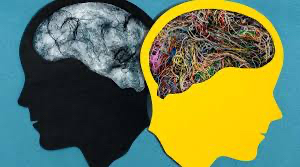
Bipolar Explained
This post is not meant to diagnose, treat, or save you from mental illness, if you or someone you love is in danger, please get help. You can text HOME to 741741 to be connected with a crisis counselor. I personally have. You can also call or text 988 for suicide and crisis help.
http://www.cdc.gov/suicide/facts
**Please remember that I am not here to diagnose anyone of anything. Nor am I here to tell you how to manage your own mental health. However, if you believe you may be suffering from a mental health condition, the internet is not the best place for you to receive help, in my opinion. After all that I have gone through, one of the best things I have ever done was seeking therapy and medication for my mental health. Does that mean that I am fixed and all better? Does that mean that what I am doing will work for you? The answer is NO, absolutely not. I am in no way shape or form telling you what to do. I have been to many hospitals for my mental health, as well as many therapists and psychiatrists. It took me a very long journey to get where I am. Please do not look at my middle and think it can be your beginning. Instead, read up on yourself yes, but you should not be afraid of getting help. It is a very long hard road, but you do not have to walk through it alone. First, I recommend sharing your worries with a loved one or close friend or family member. Next, I urge you to seek professional help. What that means for you, is your own prerogative. Just because you are not thinking of harming yourself or others, does not mean you are incapable of getting help, although it can make it complicated. Instead of researching the internet for hours and hours about the conditions I could have, I instead found resources for mental health professionals. Check with your local mental health department. There are many free services out there if you cannot financially afford treatment. If you can, and you have insurance, call the number on the back of your insurance card, you can speak with someone who can connect you with a mental health professional in your network. Another option is to find what app your insurance uses, this will also give you a way to seek a counselor, therapist or psychiatrist in your network. But please, try to remember, if you or someone you love is in crisis, get help. Being afraid of the kind of help you will be receiving is scary, I understand that. However, living with a condition that gets in the way of you leading the best life you can, is detrimental to your over all health. You deserve better.
Below is an explanation of what I have. It has taken me years to get to this diagnosis. At first, many were skeptical of me even having a mental health condition. They wanted to chalk it up to lack of sleep, hormones, stress or just plain “acting”. While I can’t say that all of those things aren’t factors, for me, the biggest relief was my diagnosis. To some, it may sound odd that finding out there is something wrong with you is a relief, but for me, it was. Finally knowing what was causing me all the sleepless nights, the psychosis, the sadness, the anger and the mania, was like a giant weight off my shoulders. Finally, I was able to get help for not only me, but for my family as well. Now I am in a place where I am able to tell my loved ones where I am at in my sickness, and they are able to understand what symptoms come along with it. I used to think that ruminating for hours and hours after a social event was normal. I would obsess about an event I was planning before it even happened. I also thought that being completely drained, sad, crying, fatigued, and overall burdened by life was normal. I now know that it is just a side effect of Bipolar. Once I learn that I am not the only one going through these same feelings, I was able to see the bigger picture. Suddenly, everything began to make sense. Yes it is hard. Yes I still struggle everyday to keep my head above water. But knowing you are not crazy, you are just a little different, is freeing.
So, if you have Bipolar welcome, you are not alone in your mood swings. I am in depression right now and getting off of the couch and showering is a huge hurdle. Imagining a better life outside of this feeling seems impossible. But every time I get through it is another time I stayed alive, out of the hospitals, and another time I overcame my symptoms. Sometimes, as with any illness, all you can do is treat the symptoms. I have been through many different kinds of therapy. I am however, still learning to unpack my tool box and use the skills I have learned. It takes a long time. Why is it so unfair that we have to work on ourselves everyday, when others can do it so easily? Let me tell you a secret, they can’t. They are fighting demons too, ours just look different. There are definitely some days where all I want to do is cry. And that’s okay. You don’t have to feel 100% all the time. What healing is about is just trying your best to keep your head up. So here is what I have, as you follow me on my journey you will see how I try my best to live through it.
Bipolar Depression
Bipolar depression is a mental health condition that is part of bipolar disorder, which is characterized by extreme mood swings. These mood swings include emotional highs (mania or hypomania) and lows (depression). Bipolar disorder can significantly impact a person’s energy, activity levels, and ability to carry out daily tasks.
Types of Bipolar Disorder
There are several types of bipolar disorder, including:
- Bipolar I Disorder: This type involves manic episodes that last at least seven days or manic symptoms that are so severe that immediate hospital care is needed. Depressive episodes occur as well, typically lasting at least two weeks.
- Bipolar II Disorder: This involves a pattern of depressive episodes and hypomanic episodes, which are less severe than the manic episodes of Bipolar I Disorder.
- Cyclothymic Disorder: This is characterized by periods of hypomanic symptoms as well as periods of depressive symptoms lasting for at least two years (one year in children and adolescents), but the symptoms do not meet the diagnostic requirements for a hypomanic episode and a depressive episode.
Symptoms of Bipolar Depression
During depressive episodes, individuals with bipolar disorder may experience:
- Feelings of sadness, emptiness, or hopelessness
- Loss of interest or pleasure in most activities
- Fatigue or loss of energy
- Difficulty concentrating, remembering, or making decisions
- Changes in appetite or weight
- Sleep disturbances (insomnia or sleeping too much)
- Feelings of worthlessness or excessive guilt
- Thoughts of death or suicide
Manic and hypomanic episodes include symptoms such as:
- Increased energy, activity, and restlessness
- Exaggerated self-confidence
- Decreased need for sleep
- Racing thoughts and rapid speech
- Impulsiveness and poor decision-making
Causes and Risk Factors
The exact cause of bipolar disorder is not known, but a combination of genetics, environment, and altered brain structure and chemistry may play a role. Risk factors include having a first-degree relative with bipolar disorder, periods of high stress, drug or alcohol abuse, and significant life changes or trauma.
Treatment
Bipolar disorder is a lifelong condition, but with proper treatment, individuals can manage their symptoms. Treatment often includes:
- Medications: Mood stabilizers, antipsychotics, antidepressants, and anti-anxiety medications.
- Psychotherapy: Cognitive Behavioral Therapy (CBT), psychoeducation, and family therapy.
- Lifestyle Changes: Regular exercise, a healthy diet, adequate sleep, and stress management techniques.
Raising awareness and understanding of bipolar depression can help reduce stigma and support those living with the condition.
-A Manic Monday


Leave a Reply